The estimate calls for a timing chain replacement, but the parts list also includes guides, a tensioner, sprockets, and seals. A second estimate leaves some of those parts out. From the owner's side of the counter, it's difficult to tell whether one shop is being thorough or the other is avoiding unnecessary work.
The useful question is what condition each part is in and what the engine's repair procedure requires. A chain works against several other components. Some share its wear history, while others can remain serviceable long after the chain needs attention.
A Worn Chain Affects the Parts It Runs Against
What people call chain stretch usually involves wear at the chain's joints rather than the metal simply lengthening like an elastic band. As that wear accumulates, effective length and timing control change. The tensioner can only take up so much slack, and the guides must control the moving chain.
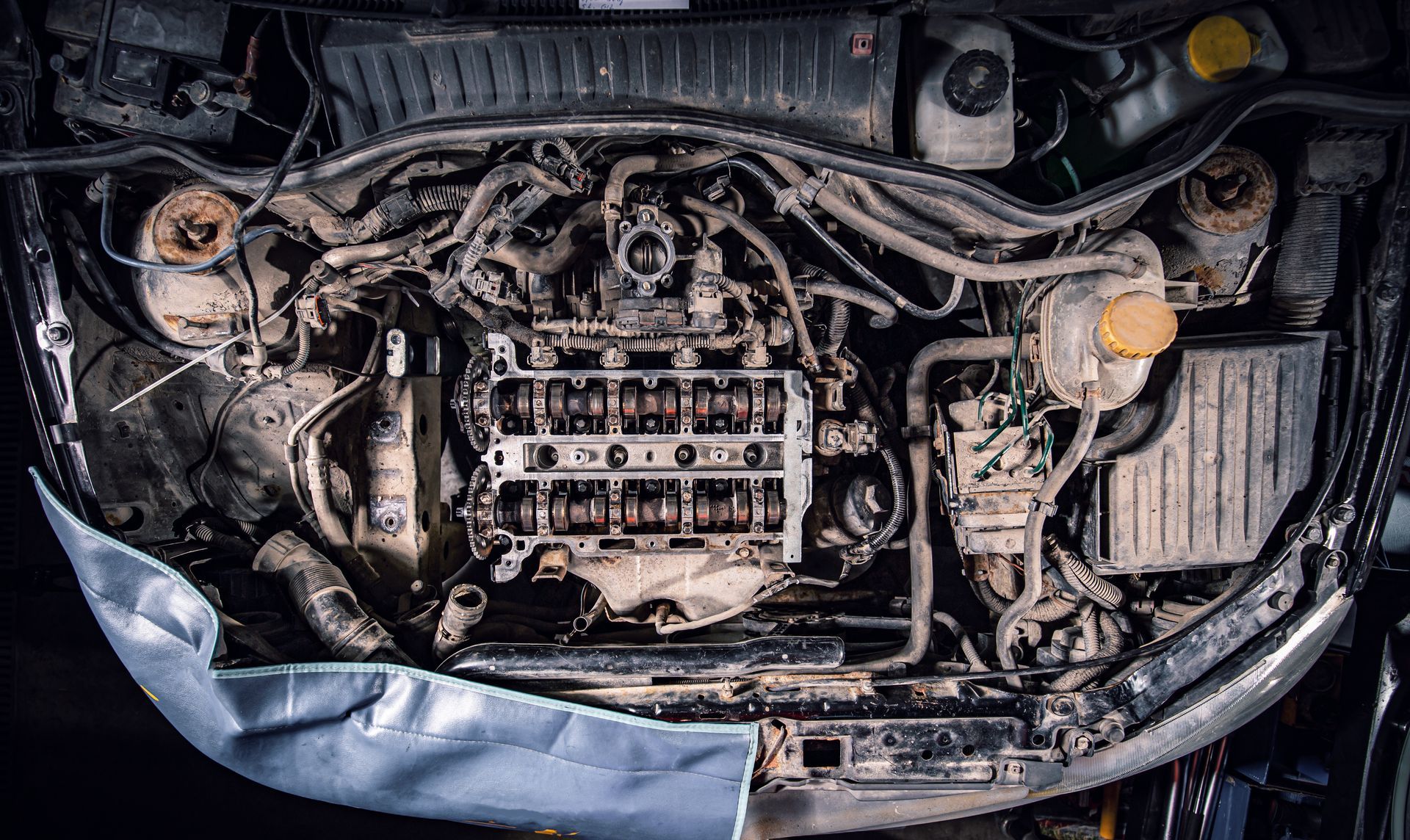
Fitting a new chain against badly worn contact surfaces leaves part of the old problem in place. That doesn't mean every item behind the cover automatically needs replacement. It means the repair cannot be planned around the chain alone without examining guides, tensioning components, sprockets, and the system that supplies lubrication.
Guides and Tensioners Share the Workload
Guide surfaces can wear into grooves, crack, or lose pieces. A hydraulic tensioner can develop a holding or control problem, while its performance also depends on the required oil supply. These components are commonly included with the chain in a coordinated repair because leaving worn support parts risks poor chain control.
We follow the specified repair scope and examine what came out of the engine. A brittle guide or tensioner near its limit isn't made healthy by a new chain. Where an updated kit requires matching components, mixing an old guide arrangement with only selected new parts can defeat the purpose of the update.
Sprockets Need More Than a Quick Glance
The sprocket teeth engage the chain and wear at their contact surfaces. Damage, abnormal tooth shape, or an engine-specific replacement requirement supports replacing them. Some repair kits include sprockets because the chain and sprocket design must work as a matched arrangement, not because all sprockets always fail together.
Serviceable sprockets aren't automatically disposable on every engine. Use the manufacturer's procedure and closely examine the contact surfaces and mounting condition. Ask whether replacement is mandatory, condition-based, or part of an updated kit. These are three different reasons, and the estimate should explain which applies.
Camshaft Adjusters Are More Than Ordinary Gears
A variable camshaft timing adjuster, sometimes called a phaser, changes camshaft position relative to the crankshaft. It includes a control mechanism as well as a chain-driven sprocket. Internal wear or a locking fault can produce noise or timing trouble even when the visible teeth look acceptable.
That is why an adjuster needs its own evaluation rather than an automatic reuse decision based on appearance. Fault data, commanded versus actual timing, noise behavior, and the required checks help establish its condition. A new chain cannot correct an adjuster that fails to hold or reach the intended position.
Find Out Why the System Wore or Lost Control
Oil level, oil specification, pressure, and restricted passages can affect timing-chain components. During an inspection, we review those conditions along with the failed parts. Repeatedly running low on oil or leaving an oil-supply problem unresolved can put the replacement tensioner and chain back under the same stress.
Broken guide pieces also need to be accounted for. Where the engine design and damage justify it, check the sump and pickup area for debris. Fresh oil alone doesn't prove loose material has been removed. The amount of cleanup and disassembly should follow the findings rather than a blanket promise that a flush will clear everything.
Include the Hardware and Verification in the Estimate
Seals, gaskets, approved sealant, and specified single-use fasteners are part of completing the job correctly. Accurate mechanical timing may require engine-specific locking tools. The work also needs any required setup, fluid replacement, leak checks, and verification of timing operation after assembly.
A nearby water pump or accessory belt doesn't automatically belong on every chain estimate, although existing wear can justify related work. Ask for mandatory items to be distinguished from condition-based recommendations. Good records of regular maintenance and the finished repair then provide a useful baseline if a noise or timing concern appears later.
Get Timing Chain Repair In Manchester, MD, With North County Service Center
North County Service Center in Manchester, MD, can evaluate the chain, guides, tensioner, sprockets, and camshaft adjusters as a system. The estimate can then reflect the engine's requirements and the condition of its parts.
Contact us to review the timing-chain concern and discuss the proposed repair scope.