Electric vehicles feel different from the start. No oil changes. No exhaust noise. No spark plugs. No fuel stops. For many drivers, that makes EV ownership feel like a break from the usual maintenance routine.
That part is true, up to a point.
EVs have fewer traditional engine parts, but they still have tires, brakes, cooling systems, suspension parts, electronics, filters, and batteries that need attention. Knowing what EV repair service really involves can help you avoid surprises as the miles add up.
1. EV Tires Can Wear Faster Than Expected
EV tires work hard. The battery adds weight, and instant torque can put extra strain on the tread during acceleration. Even careful drivers may notice their tires wear faster than on a similar gas-powered car.
Tire pressure matters too. Low pressure can reduce range, build heat, and wear the shoulders of the tire. Poor alignment can wear the inner edge before the outside tread shows signs of wear.
A tire check should include tread depth, pressure, wear pattern, rotation needs, and alignment clues. If one tire looks different from the rest, the suspension or alignment should be checked before a new set wears the same way.
2. Regenerative Braking Does Not Replace Brake Service
Regenerative braking helps slow the vehicle and sends energy back to the battery. Because of that, brake pads may last longer than they would on a gas vehicle. That sounds like less service, but it creates a different kind of brake concern.
Friction brakes that are not used as often can develop rust, sticking pads, dry slide pins, or uneven rotor surfaces. Brake fluid still ages, even if the pads have plenty of material left.
EV brake service should look beyond pad thickness. The calipers, rotors, hardware, brake fluid, and electronic braking functions all need to work correctly when the vehicle needs full stopping power.
3. EV Cooling Systems Protect Expensive Parts
Many EVs use cooling systems for the battery pack, power electronics, onboard charger, and motor components. These systems help keep temperatures in the right range during driving and charging.
Low coolant, old coolant, weak pumps, leaking hoses, faulty valves, or sensor issues can create warning messages, reduced power, slower charging, or range changes. The problem may not feel obvious right away, but heat is not something to ignore on an EV.
Coolant type and service procedure matter. EV cooling systems should not be topped off casually with the wrong fluid.
4. The 12-Volt Battery Still Matters
EV owners often think only about the high-voltage battery, but most EVs also have a smaller 12-volt battery. This battery helps power modules, lights, locks, computers, and startup functions.
When the 12-volt battery gets weak, the symptoms can be confusing. The main battery may charge, but the vehicle may display warning messages, fail to wake properly, or act strangely after sitting.
A simple 12-volt battery test can prevent many frustrating problems. Terminals, grounds, and charging behavior should be checked, too, because poor connections can make a healthy battery act weak.
5. EV Suspension Parts Still Wear Out
EVs are quiet, so suspension noises can stand out more. A small clunk, tire hum, or vibration may be easier to hear because there is no engine noise covering it up.
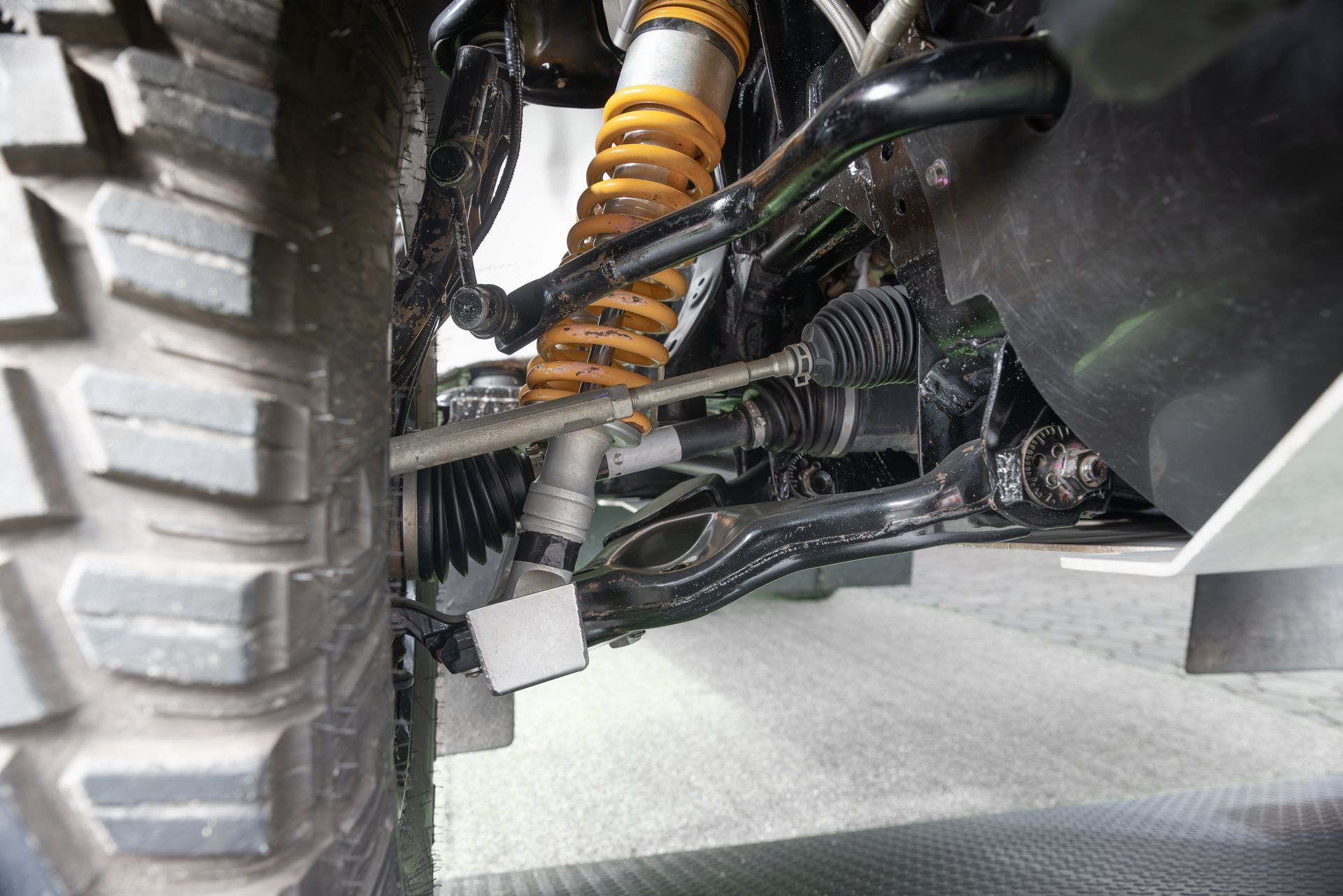
The added battery weight can also put more demand on shocks, struts, bushings, ball joints, and tires. Rough roads, potholes, curb hits, and daily commuting still affect the same basic parts underneath the vehicle.
During regular maintenance, an inspection should include suspension, steering, tires, and underbody components. A worn part can affect tire life, ride comfort, and handling long before it creates a major warning.
6. Charging Problems Are Not Always Battery Problems
If an EV charges slowly, stops charging, or shows a charging warning, the high-voltage battery is not always the cause. The issue may involve the charge port, onboard charger, wiring, software, temperature management, 12-volt battery, or the charging equipment itself.
Even the charging cable or wall unit can be part of the problem. That is why testing matters before assuming the most expensive component has failed.
Details help. Does the problem occur only at home? At public chargers only? In hot weather? After the vehicle sits overnight? Those clues can help narrow the repair path.
7. EV Service Requires The Right Training And Safety Steps
EVs use high-voltage systems that require proper safety procedures. Technicians need to know how to identify high-voltage components, follow safe testing practices, and avoid damaging sensitive electronics.
That does not mean every EV visit is complicated. Tires, brakes, filters, suspension, and 12-volt battery service may look familiar. The difference is knowing when the EV-specific systems are involved and how to work around them safely.
Get EV Repair Service In Manchester, MD, With North County Service Center
If your EV has tire wear, brake noise, charging issues, warning messages, range changes, or suspension concerns, North County Service Center in Manchester, MD, can check the systems that keep electric vehicles reliable.