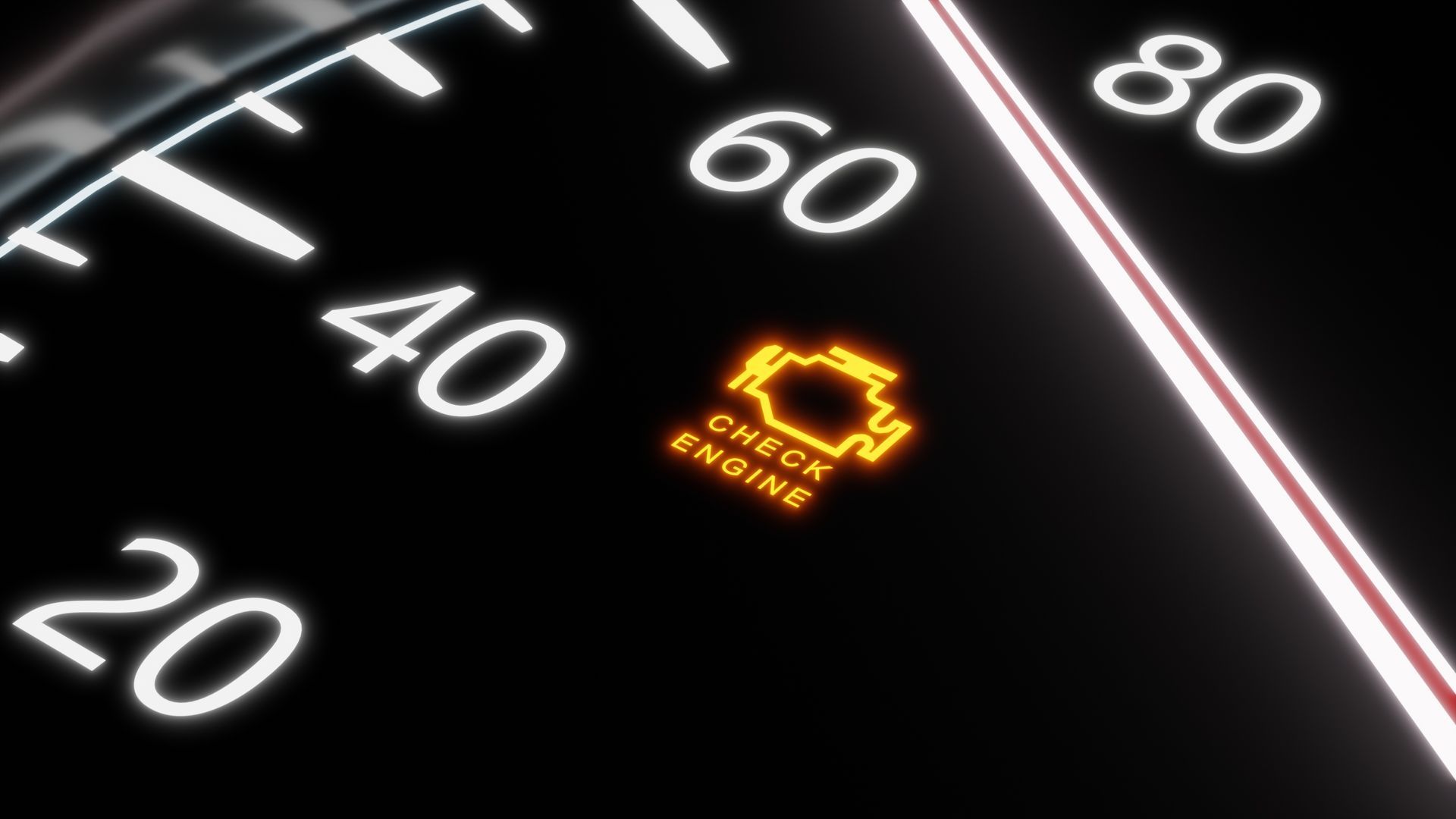
A flashing check engine light is not the same as a solid check engine light. A solid light usually means the vehicle detected a fault that needs attention soon, but you can often drive carefully to get it serviced. A flashing light is a more urgent warning, and most of the time it points to an active misfire that can cause expensive damage if you keep driving.
If the light is flashing, the smartest move is to treat it like a stop-soon situation. You may not need to panic, but you do want to reduce risk quickly and avoid turning a fixable issue into a costly one.
What A Flashing Check Engine Light Usually Means
On many vehicles, a flashing check engine light indicates a misfire that is severe enough to damage the catalytic converter. A misfire means one or more cylinders are not burning fuel properly. That unburned fuel can enter the exhaust system and overheat the catalytic converter, which is designed to process gases, not raw fuel.
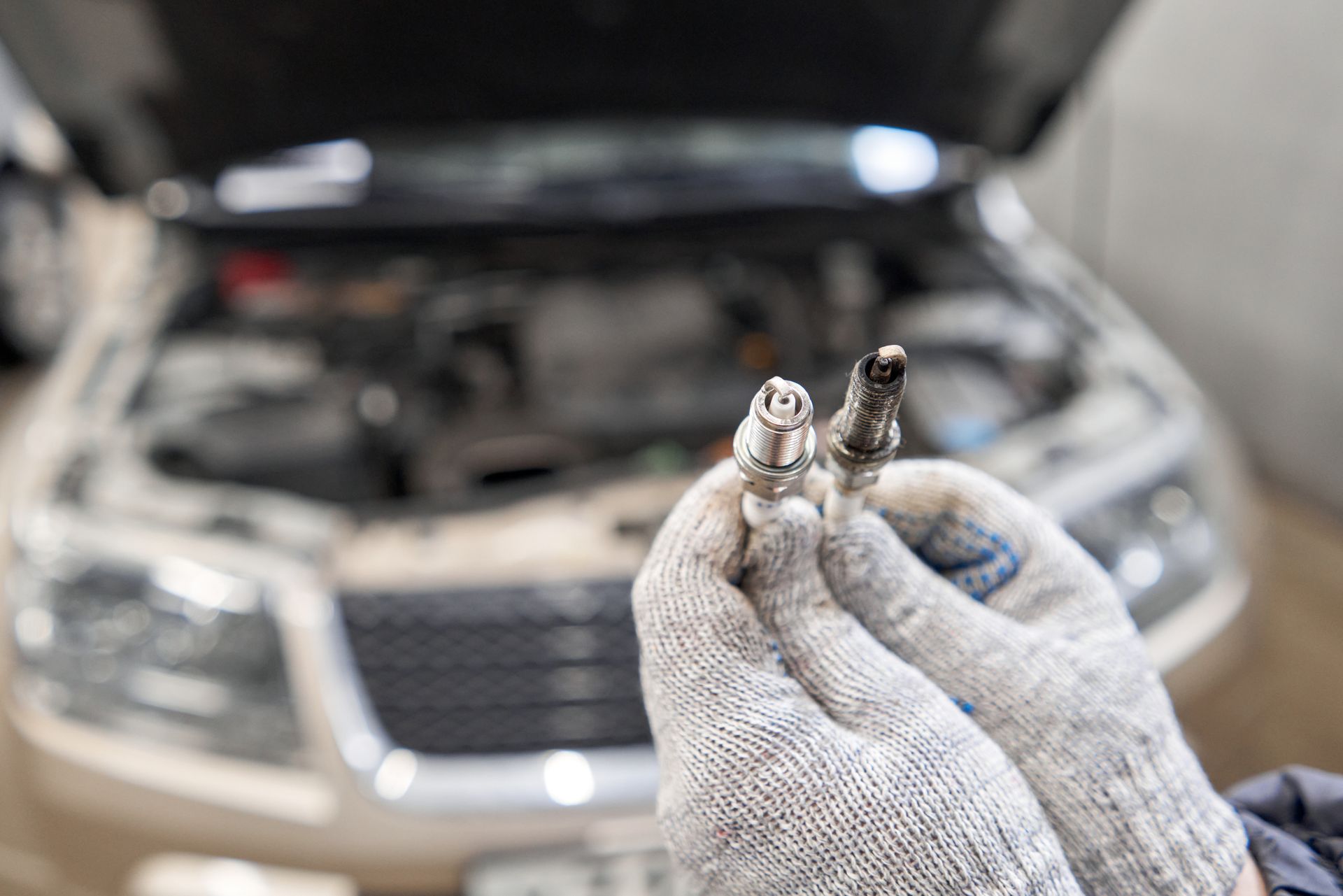
Misfires can be caused by worn spark plugs, failing ignition coils, fuel delivery issues, vacuum leaks, or sensor problems. The key point is that the engine is not running cleanly right now, not just storing a code for later. That is why the light flashes instead of staying solid.
Can You Keep Driving With It Flashing?
If the light is flashing, it is best to avoid continuing to drive unless you are moving the vehicle a very short distance to get it off the road safely. The longer you drive with an active misfire, the higher the chance you will damage the catalytic converter. Converter replacement can be expensive, and it is one of the most common costs that comes from ignoring a flashing light.
If the vehicle is shaking, lacking power, or you hear popping from the exhaust, those are signs that the misfire is strong. In that situation, keep speeds low, avoid hard acceleration, and pull over somewhere safe. If the car is struggling badly, towing is often the better choice than trying to limp it to the shop.
Symptoms That Often Come With A Flashing Light
Many drivers notice rough running, a noticeable shake at idle, or hesitation when they press the gas. The engine may sound uneven, almost like it is skipping beats. Some vehicles also smell strongly of fuel because combustion is incomplete.
You may also notice the vehicle feels like it is down on power, especially when climbing a hill. If the car jerks under acceleration or the RPMs jump erratically, that can be consistent with misfire behavior. These symptoms help confirm that the light is not just a sensor warning, but a true drivability problem.
Common Causes Behind An Active Misfire
Ignition issues are at the top of the list. Worn plugs, weak coils, and damaged plug boots are common, especially if the vehicle is overdue for service. Fuel issues can also cause it, such as a clogged injector or low fuel pressure. Airflow problems like vacuum leaks can lean out the mixture and cause misfires, particularly at idle and low speed.
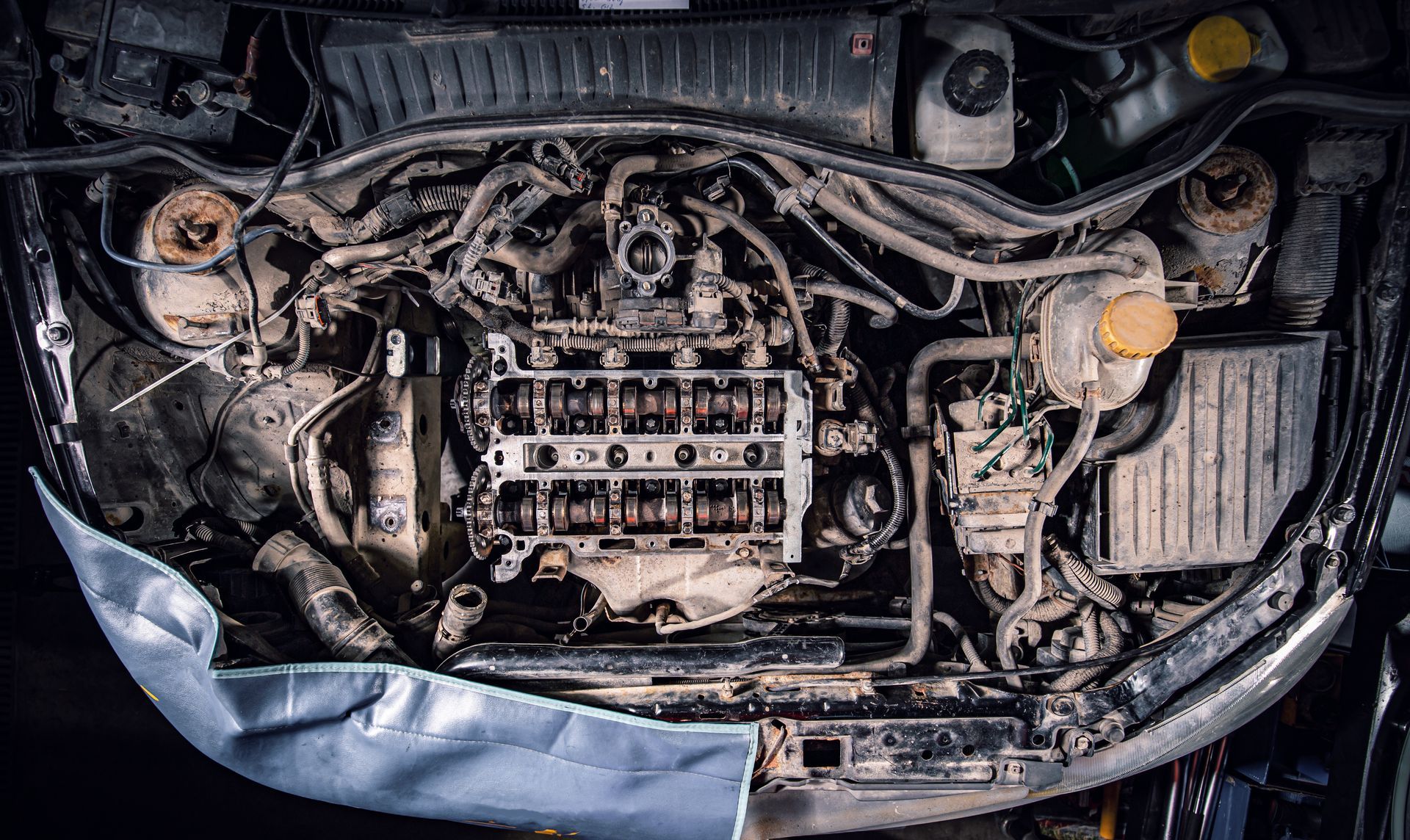
There are also cases where the misfire is related to engine mechanical issues, but those are less common than ignition and fuel causes. Either way, the point is the same. The problem needs to be identified quickly, because continuing to drive increases the chance of secondary damage.
Why Regular Maintenance Reduces This Risk
Misfires often become serious because the early signs were missed or ignored. Worn spark plugs do not fail overnight, and coils often weaken gradually. When regular maintenance is kept up, ignition and fuel components are more likely to be serviced before the misfire becomes severe enough to trigger a flashing light.
This is also why a small hesitation should not be ignored for months. If the car has been running slightly rough for a while and the light suddenly starts flashing, the issue probably progresses, and now the risk to the catalytic converter is higher.
What To Do Right Now
If the check engine light is flashing, reduce the load immediately. Turn off the A/C, avoid hard acceleration, and keep driving to a minimum. If you can pull over safely, do it. If the vehicle is shaking heavily or the light continues flashing after a restart, towing is often the safest option.
Once the vehicle is at the shop, the fix usually starts with confirming which cylinder is misfiring and why. That is much faster than guessing, because the repair depends on whether the cause is ignition, fuel, air, or something else.
Get Flashing Check Engine Light Repair With North County Service Center
If your check engine light is flashing, the next step is to book service immediately so the misfire is repaired before it damages the catalytic converter.
Schedule service with North County Service Center to get the engine running clean again and avoid turning a repairable issue into a much bigger bill.