Pressing the parking-brake switch produces a brief electric whir near the rear wheels. A moment later, the noise stops and the brake stays applied. Where did the holding force come from, and why doesn't the motor have to keep running?
The answer is in the mechanism between the control and the rear brakes. A traditional lever sends force through a cable. An electronic brake uses an actuator to create that force, then relies on its mechanical design to maintain the hold.
A Traditional Parking Brake Starts With Cable Tension
When you pull a hand lever, you tension a cable running toward the rear brakes. An equalizing arrangement distributes the pull between the sides. The cable operates parking-brake shoes or levers built into rear calipers, depending on the car. The lever's ratchet holds the driver's applied position until the driver releases it.
The cable needs to slide freely inside its outer housing. A split protective cover lets water and dirt reach the moving cable, and rust gradually increases resistance. That creates a familiar complaint: the handle releases, but a rear brake remains partly applied. The cabin release and the wheel release are separate things to check.
An Electronic Parking Brake Starts With a Switch Signal
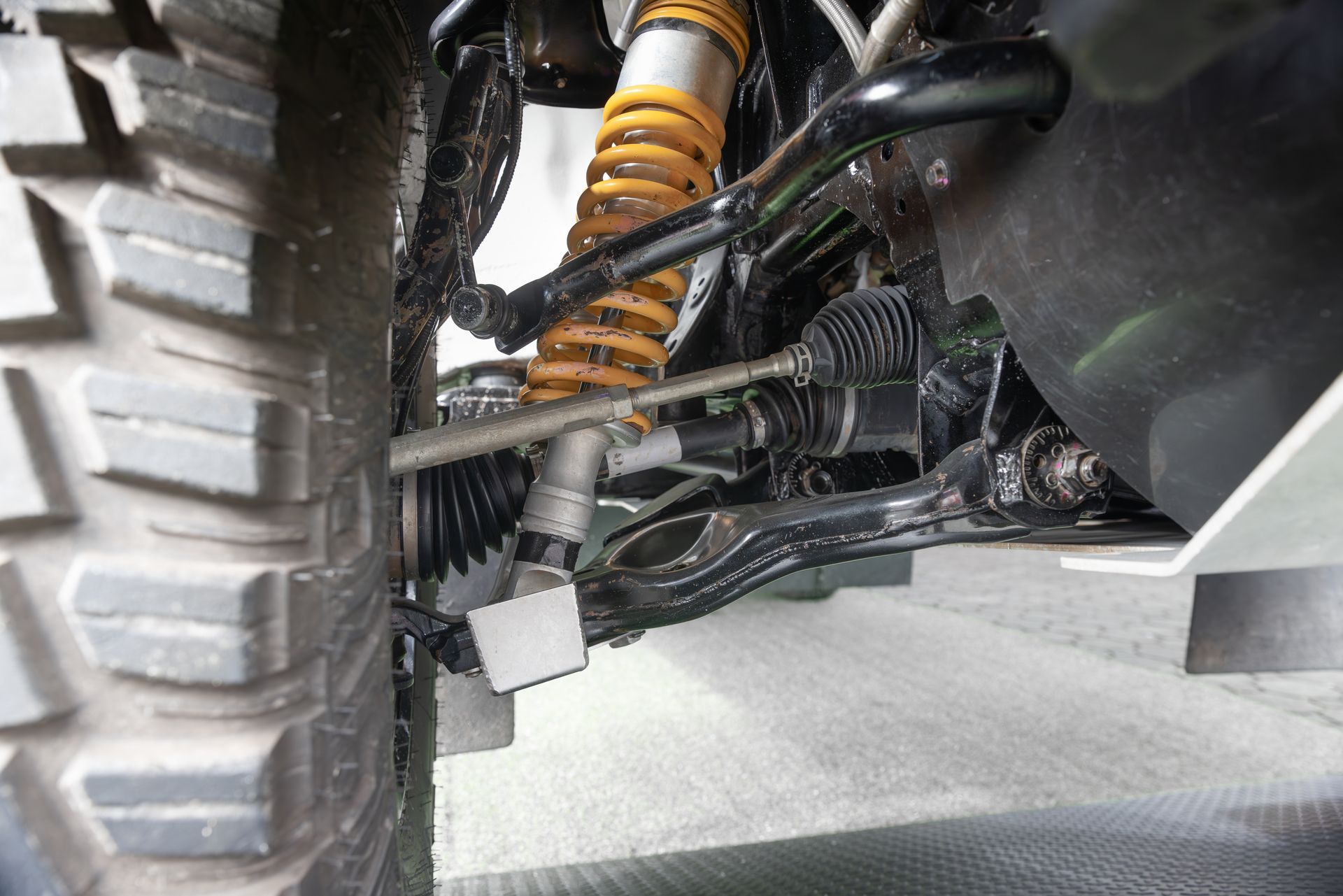
The switch sends a request to a control unit. That unit checks the conditions required for operation and supplies power to the actuator. With motor-on-caliper designs, an electric motor and reduction gearing operate a screw mechanism that presses the rear brake pads against the rotors.
Another design uses a central motor to pull cables. Those cables then operate the brakes at the wheels, much like a manually pulled cable would. This is why an electronic parking-brake complaint sometimes still ends in a cable or shoe repair. Identifying the design is the first step toward explaining the job accurately.
How the Parking Brake Keeps Holding Without a Running Motor
Gearing and mechanical holding arrangements maintain the applied force after the actuator stops. The motor operates during application and release, not throughout the night. The exact holding method differs between designs, but continuous motor operation isn't needed to keep a normally functioning brake set.
Electrical power still has to be available for the next commanded movement. A low battery, damaged connection, or failed motor prevents that movement even when the friction parts themselves are sound. A brake that won't release after the battery dies needs a different check than one that gradually stiffens over several months.
Automatic Release Depends on More Than Pressing the Accelerator
Some vehicles release the brake automatically when the driver pulls away. That operation may require a selected gear, a closed door, a fastened seat belt, or another condition. Manual release may require the ignition on and the brake pedal pressed. Follow the instructions for the car instead of assuming a switch works identically in every vehicle.
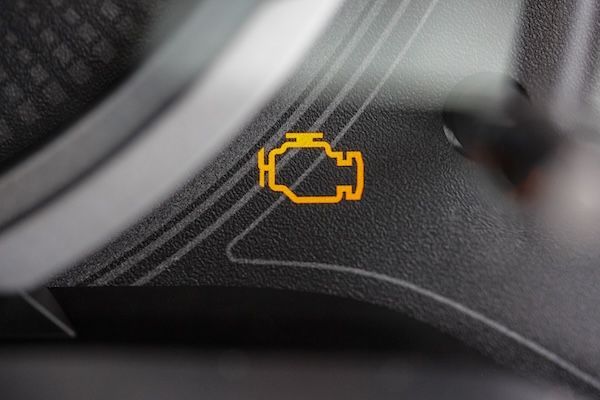
The parking-brake indicator also needs to be understood. One lamp indicates normal operation, while a flashing lamp or written warning may indicate a fault. Record the message while safely parked. A report that says the brake stayed on is more informative when it also identifies whether the switch responded and the actuator made any sound.
Parking Brake Testing Follows the Force All the Way to the Wheel
A working switch is only the beginning. Testing follows the command through the electrical connections and then checks what the brake actually does. Power reaching a motor with no movement suggests a different problem from no power reaching it at all. A motor that operates while a wheel still drags brings the caliper, shoes, or cable into the inspection.
Details that help describe the complaint include:
- Whether the brake fails to apply or fails to release
- The exact dashboard warning
- Noise from one side or both sides
- Recent battery discharge or replacement
- Recent rear brake repairs
- Whether the problem changes after rain or cold weather
The vehicle needs to be secured during these checks. A released parking brake changes what is holding the car, especially on a lift or incline. For an owner facing a stuck brake, the next step is assistance and the model's release instructions, not dismantling an actuator beside the road.
Rear Brake Replacement Requires the Correct Service Mode
Many electronic rear calipers must be placed in maintenance mode before the pads are removed. The technician then follows the required piston-retraction and finishing steps. Simply pressing the switch until it stops making noise doesn't replace the service procedure.
Cable-operated brakes have their own adjustment and release checks. After either repair, the brake needs to hold and release normally without leaving a wheel dragging. The completed work should be checked at the wheels as well as at the switch or lever.
Get Parking Brake Repair in Manchester, MD, With North County Service Center
If your parking brake stays on, won't hold, or displays a fault, North County Service Center in Manchester, MD, can check the controls and rear brakes. Bring the warning details and mention any recent electrical or brake work.