Back-to-school driving can change a vehicle's routine almost overnight. Parents return to morning drop-offs and afternoon pickups, while student drivers may suddenly be commuting to school, work, sports, or college several days a week.
Before those extra miles become routine, it helps to check the parts that affect starting, stopping, visibility, and reliability. This is also a good time for parents to show younger drivers which changes they should report instead of waiting until the car stops working.
1. Check the Tire Pressure
Tire pressure changes with temperature and can gradually drop even without an obvious puncture. Low pressure increases heat and rolling resistance and can make steering feel less responsive.
Set the tires to the pressure listed by the vehicle manufacturer when they are cold. Do not use the maximum pressure printed on the tire sidewall as the target.
2. Look Closely at Tire Tread and Damage
Pressure is only part of the tire check. Look across the entire tread for uneven wear, cuts, cracks, or areas that are getting close to the wear bars.
Inner-edge wear is especially easy to miss while the car is sitting in the driveway. If one tire keeps losing air or has a sidewall bubble, check it before a student starts adding daily highway or school-traffic miles.
3. Have the Brakes Checked
Drivers tend to adjust gradually to brake wear, so a change in stopping feel may not seem obvious at first. Watch for squealing, grinding, vibration, pulling, or a brake pedal that feels lower or softer than it used to.
During an inspection, we can check pad thickness, rotor condition, brake fluid level, hoses, and visible hydraulic parts. A red brake warning light or sudden change in pedal feel deserves prompt attention.
4. Test the Battery
A weak battery can still start the engine most days before suddenly failing on a busy morning. Repeated short drives can also be demanding because the charging system gets less time to replenish the energy used during startup.
At our shop, we test battery condition, charging voltage, and cable connections together. Slow cranking, clicking during startup, dim lights, or electronics resetting are all reasons to have the system checked.
5. Keep Engine Oil Service Up to Date
If an oil change will come due shortly after school starts, handling it beforehand can make the first few busy weeks easier. Engine oil needs to stay at the correct level and be changed at the proper interval.
We also look for signs of leakage while the vehicle is in the shop. If the engine has been using oil between services, mention it rather than assuming that adding a quart occasionally is all it needs.
6. Check Coolant and Watch Engine Temperature
School pickup lines and stop-and-go traffic can put the cooling system to work, especially when late-summer temperatures are still high. Coolant should stay at the proper level, and the temperature gauge should behave the way it normally does.
Watch for coolant stains, a sweet smell after driving, or a gauge that begins creeping higher in traffic. A cooling fan, hose, thermostat, radiator, or water pump problem is much easier to handle before the vehicle overheats.
7. Make Sure the Wipers and Washer System Work
Students may be driving early in the morning or coming home after dark, so visibility matters as weather changes. Wiper blades should clear the windshield without streaking, chattering, or leaving large unwiped areas.
Check washer fluid and make sure the spray nozzles actually reach the glass. A simple wiper problem becomes much more frustrating when heavy rain starts during a commute.
8. Test All Exterior Lights
Check headlights, brake lights, turn signals, reverse lights, and marker lights before the school schedule gets busy. Drivers do not always notice a failed bulb because many exterior lights cannot be seen from the driver's seat.
Parents can make this a quick two-person check at home. One person operates the controls while the other walks around the vehicle and confirms that each light is working.
9. Pay Attention to Warning Lights
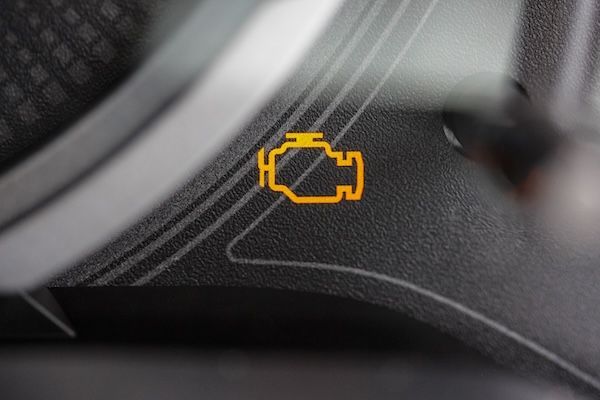
A check engine light, ABS warning, battery light, or tire-pressure warning should not become part of the normal dashboard scenery. The vehicle may still drive, but the warning means a system has detected something that needs attention.
Student drivers should also know that some warnings are more urgent than others. An oil-pressure warning, overheating warning, or serious brake warning can mean the vehicle should be stopped rather than driven until the next convenient appointment.
10. Teach Student Drivers to Report Small Changes
New drivers do not need to know how to diagnose a car, but they should know when something feels different. A new vibration, fluid spot, unusual smell, strange noise, or change in braking and steering is worth mentioning.
Regular maintenance works much better when you report those small changes early. At North County Service Center, the details a driver notices can help us reproduce a problem and determine whether it needs immediate repair or can be planned for later.
Get Back-To-School Vehicle Maintenance In Manchester, MD, With North County Service Center
If your family vehicle or student's car is heading into a busy school-year schedule, North County Service Center in Manchester, MD, can check the tires, brakes, battery, fluids, lights, wipers, and cooling system before the daily miles start adding up.