You may hear everything from “every 30,000 miles” to “you never need to change them, they last the life of the car.” Meanwhile, you just want the engine to start cleanly and run smoothly without wasting money on services you do not need. The truth is, spark plug intervals are a mix of what the manual says, the type of plug your engine uses, and how your car is actually driven day to day.
Why Spark Plug Replacement Matters More Than Mileage Stickers
Spark plugs fire thousands of times per minute, lighting the air fuel mixture inside each cylinder. When they are in good shape, the engine starts quickly, idles smoothly, and makes full power with clean combustion. As they wear, that spark becomes weaker and less consistent.
A worn plug can still fire most of the time, which is why problems creep in slowly. You might see a small drop in fuel economy or notice the engine feels a bit rough at idle. Leave them in too long, and the coil packs have to work harder, misfires become more common, and in some cases, the plugs seize in the cylinder head and are much harder to remove.
How Often Do Spark Plugs Typically Last?
Service intervals vary a lot by plug design and engine. The owner’s manual always wins, but as a general guide, many vehicles fall into these ranges:
Conventional copper plugs: roughly 20,000 to 30,000 miles.- Single or double platinum plugs: often around 60,000 miles.
- Iridium or long-life plugs: commonly 80,000 to 100,000 miles, sometimes a bit more.
Those numbers assume the engine is healthy and maintenance is up to date. If an engine burns oil, runs rich, or spends its life on short trips, plugs can foul much sooner. When we look at real cars, we pay as much attention to how they are used as to the number printed in the book.
Real-World Clues Your Spark Plugs Are Overdue
Even if you do not remember when they were last changed, your car will often give you hints. Common symptoms include:
Longer cranking before the engine starts, especially on cold mornings.- Rough idle or a slight shake at stoplights that smooths out once you are moving.
- Hesitation or a small stumble when you accelerate.
- Noticeable drop in fuel economy without another clear cause.
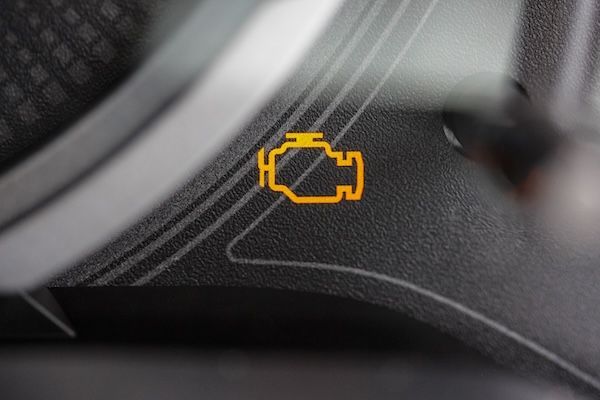
- Intermittent check engine light with misfire codes.
None of these proves worn plugs by themselves, but when a higher mileage engine shows two or three of these signs and the plugs are original, it is a strong clue that they are due. Pulling one or two for inspection will usually confirm the story.
Driving Habits That Shorten Spark Plug Life
Spark plugs live in the middle of whatever your driving habits throw at them. Some patterns are much tougher than others and can shorten their useful life. Examples include:
- Lots of short, around town trips where the engine never fully warms up.
- Frequent idling in traffic, especially with heavy accessory loads.
- Towing or hauling that makes the engine work hard for long stretches.
- Ignoring other tune-up items, like air filters or coil and wire problems.
All of these can leave more fuel, oil, or deposits on the plugs, which makes them foul sooner. We often see plugs that are black and sooty or coated in oil from engines that spend their lives in heavy traffic or
with underlying issues that were never addressed.
Should You Follow the Dash Reminder, the Manual, or Your Gut?
Some cars have maintenance reminders that call out spark plug service based on time and mileage, while others only mention it in the printed schedule. The manual is always the starting point, because that is where the engine design and plug type are taken into account. Dash reminders are helpful, but they are not always as specific as the paper schedule.
Where your gut comes in is how honestly you look at your driving. If most of your miles line up with the “severe service” description in the manual, it makes sense to stay on the earlier side of the interval. If you put very few miles on the car each year, the time limit may arrive before the mileage does, because the plugs still age with heat cycles and exposure to fuel. When we talk about intervals with our clients, we like to combine what the book says with what the car really sees every week.
What Happens During a Spark Plug Service
A proper spark plug service is more than just unscrewing old plugs and dropping new ones in. Access can be tight on many engines, so it is a good chance to inspect coil packs, plug wires or boots, and the top of the engine for oil leaks that might foul the new plugs.
We remove the old plugs, read their condition, and compare them from cylinder to cylinder. That can reveal hidden issues like one cylinder running lean or burning oil. Then we install the correct plugs, gapped properly if the design requires it, and torque them to spec so they seal without being over tightened. On many vehicles, this is also a good time to address air filters or fuel system cleaning, so the rest of the tune-up matches the fresh plugs.
Get Spark Plug Replacement in Manchester, MD, with North County Service Center
If you are not sure when your spark plugs were last changed, or you have started to notice rough idle, slow starts, or lower fuel economy, this is a good time to have them checked. We can inspect plug condition, review your driving habits, and set up a replacement interval that keeps your engine firing cleanly without overdoing it.
Schedule spark plug replacement in Manchester, MD, with
North County Service Center, and we will help keep every start and every drive as smooth as your car was built to be.