Adaptive cruise control can make highway driving less tiring by adjusting vehicle speed to maintain a selected following distance. Instead of holding one fixed speed like traditional cruise control, it uses cameras, radar, or both to monitor traffic ahead and respond when another vehicle slows down.
It is a driver-assistance feature, not an automated driving system. The driver must remain alert, keep control of the steering wheel, watch surrounding traffic, and be ready to brake. Understanding its limits is important because the system cannot recognize every hazard or respond correctly in every road condition.
How Adaptive Cruise Control Works
The driver selects a cruising speed and usually chooses a preferred following-distance setting. Sensors near the windshield, grille, bumper, or front emblem monitor the lane ahead. When the system detects a slower vehicle, it reduces throttle and may apply the brakes to maintain the chosen gap.
Once the lane clears, the vehicle accelerates toward the selected speed. Some systems work only above a minimum speed, while more advanced versions can slow the vehicle to a complete stop and begin moving again. Exact operation varies by manufacturer, model, and equipment package.
What The Following-Distance Setting Means
The distance control generally represents time rather than a fixed number of feet. At higher speed, the system leaves more physical space because the vehicle travels farther each second. Selecting a shorter setting does not improve the car’s ability to stop and may leave less room to respond to sudden changes.
Drivers should choose a larger gap during rain, snow, darkness, heavy traffic, or when towing. The system may maintain the selected spacing under normal conditions, but it cannot account for every change in traction, tire condition, or driver behavior around the vehicle.
What Adaptive Cruise Control Can Do
Adaptive cruise control is most useful during steady highway travel and moderate traffic. It can reduce repeated accelerator and brake inputs when traffic speed changes gradually.
- Maintain a selected cruising speed
- Reduce speed behind a slower vehicle
- Apply light or moderate braking
- Restore speed when traffic moves away
- Maintain a chosen following interval
- Bring some vehicles to a complete stop
- Provide alerts when the system needs driver input
These features can make long trips more comfortable. They do not remove the driver’s responsibility to monitor traffic, road conditions, pedestrians, and vehicles entering from nearby lanes.
It Cannot See Every Vehicle Or Road Hazard
Sensors have a limited field of view. A motorcycle, narrow vehicle, sharply turning car, or object partly outside the lane may not be detected as early as expected. A stopped vehicle can also be difficult for some systems to recognize, especially when approaching at highway speed.
Adaptive cruise control may not respond to traffic lights, stop signs, construction barriers, potholes, debris, animals, or pedestrians. Some newer vehicles include separate safety systems that can help with certain hazards, but the driver should never assume adaptive cruise control will brake for everything ahead.
Curves And Hills Can Affect Detection
On a curve, the radar or camera may briefly track a vehicle in another lane or lose sight of the car being followed. The system may slow unexpectedly, maintain speed when the driver expects braking, or react later as the road straightens.
Steep hills can also affect speed control. The vehicle may apply more throttle while climbing or use the brakes while descending, but it may not hold speed perfectly. Drivers should take control when road shape, traffic position, or limited visibility makes the system’s response uncertain.
Weather Can Limit Sensor Performance
Heavy rain, snow, fog, dust, road spray, and direct sunlight can interfere with cameras and radar. Ice or dirt covering the front emblem, grille sensor, bumper, or windshield camera area may cause the system to shut off or display a warning.
Wipers and windshield defrosters can help keep the camera view clear, but they cannot correct every condition. If visibility is poor enough that the driver is having trouble seeing, adaptive cruise control should not be relied upon. Wet or icy roads also increase stopping distance even when the sensors continue operating.
It Does Not Know Whether The Road Is Slippery
Adaptive cruise control can command braking, but it does not always know how much traction the tires have. A following distance that feels adequate on dry pavement may be too short during rain, snow, or ice. Sudden braking by traffic ahead may require more stopping room than the selected setting provides.
Tire tread, inflation, brake condition, and vehicle load all affect how quickly the car can slow down. Regular maintenance supports proper braking performance, but the driver still needs to increase distance and reduce speed when traction is limited.
Lane Changes Require Driver Attention
When another vehicle cuts into the lane, the system may need time to recognize it and calculate the new gap. The car may brake later or harder than the driver expects. Vehicles leaving the lane can also cause the system to accelerate toward the selected speed even when slower traffic remains nearby.
Keep your foot ready near the brake in heavy traffic and watch vehicles approaching from both sides. Adaptive cruise control reacts mainly to what its sensors identify directly ahead. It does not understand another driver’s intentions or predict every unsafe lane change.
Why Warning Messages And Unexpected Braking Occur
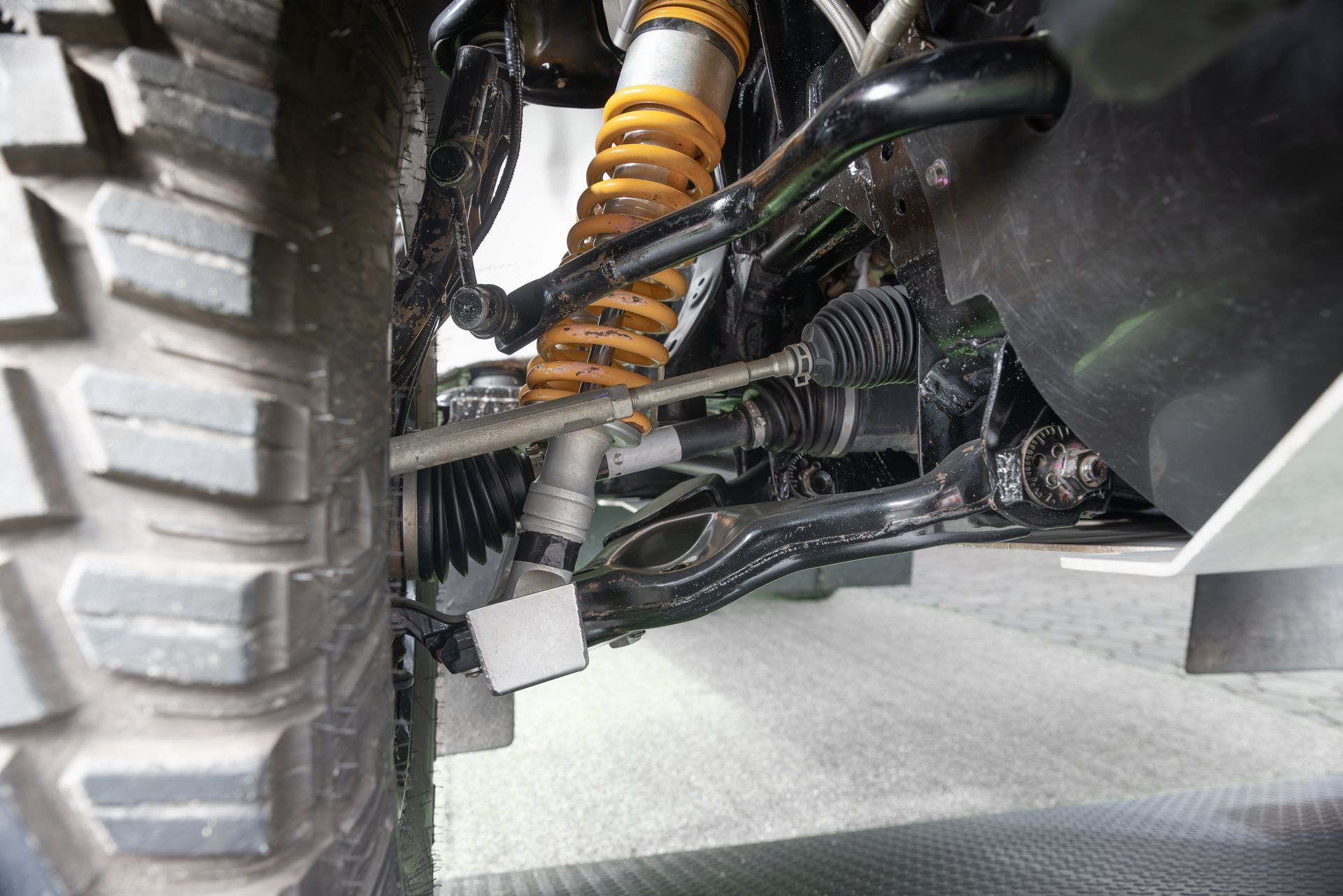
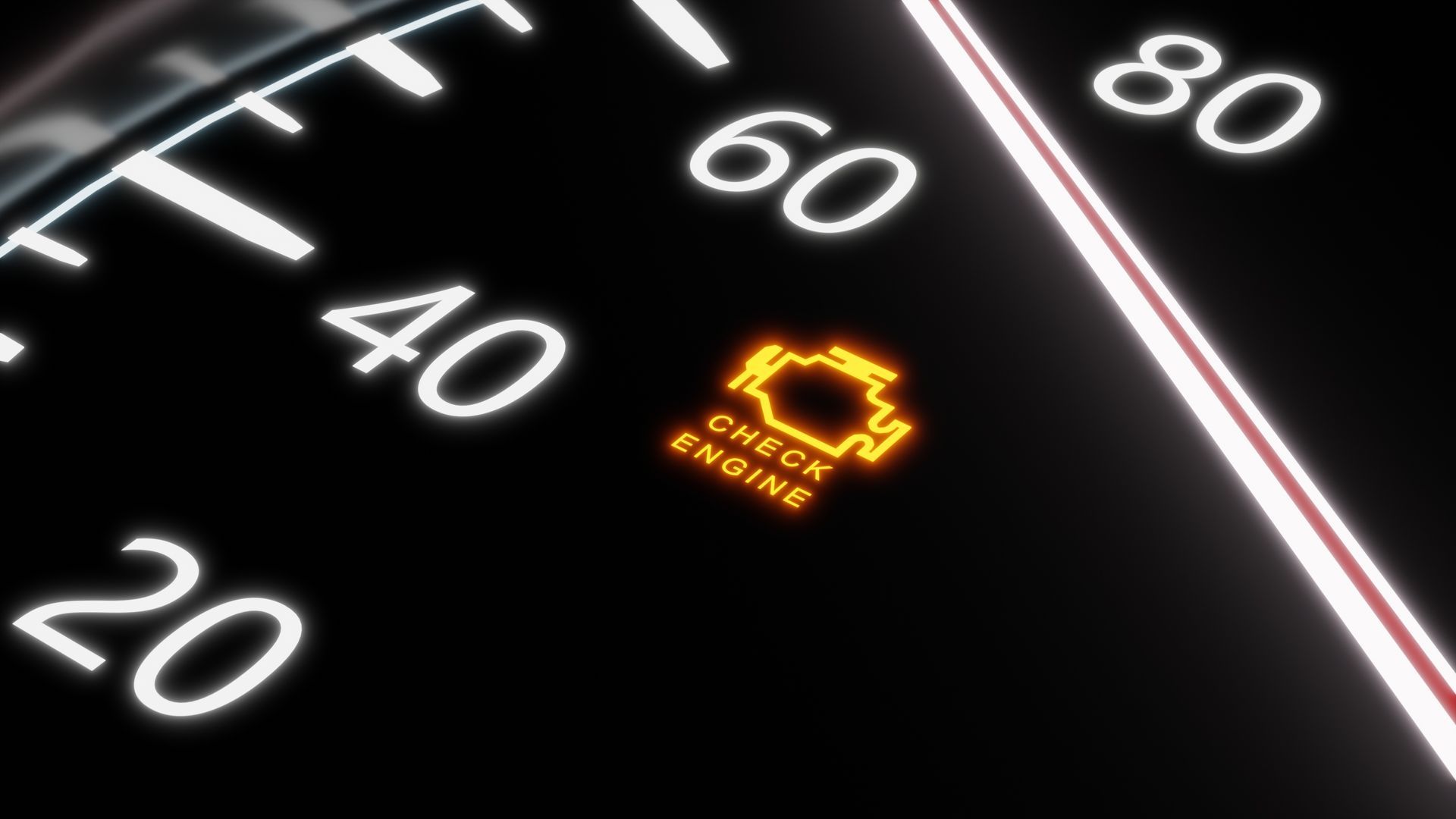
A blocked sensor, damaged camera, wheel alignment problem, incorrect tire size, low battery voltage, or stored electronic fault can turn off the system. Collision repairs, windshield replacement, suspension work, and bumper removal may also change sensor alignment.
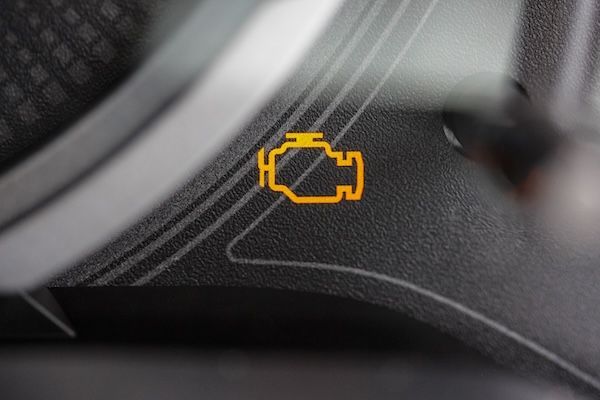
Unexpected braking can happen when the system misinterprets a vehicle, guardrail, sign, bridge, or object near the road. Frequent false warnings, random speed changes, or repeated system shutdowns deserve an inspection. Diagnostic testing can check stored faults, sensor views, wiring, mounting, and calibration status.
Calibration May Be Needed After Certain Repairs
Front cameras and radar sensors must point in very precise directions. Windshield replacement, collision repair, alignment changes, ride-height changes, or sensor removal may require calibration so the system understands its position relative to the road.
A warning light does not always appear when calibration is slightly off. The system may still track vehicles incorrectly or produce unwanted alerts. Following the correct calibration procedure is important before the driver-assistance systems return to normal use.
Get Adaptive Cruise Control Diagnostics In Manchester, MD, With North County Service Center
If your adaptive cruise control shuts off, brakes unexpectedly, displays warning messages, or stops tracking traffic correctly, North County Service Center in Manchester, MD, can inspect the sensors, cameras, wiring, alignment, and calibration requirements.
Contact us to schedule an appointment and make sure the system is operating as designed.