When the engine starts making a new sound, it is tempting to assume it is harmless. Many noises begin quietly, then grow louder until you suddenly realize something is wrong. Treating engine sounds as early warnings can help you avoid major repairs.
1. Sharp Knocking or Pinging When You Accelerate
A sharp rattling or pinging under acceleration is often called spark knock or detonation. It usually sounds like marbles in a metal can when the engine is under load, such as climbing a hill or accelerating in a high gear. Low octane fuel, carbon buildup, incorrect ignition timing, or bad sensor data can all cause this, and heavy knock over time can damage pistons and bearings.
2. Deep, Heavy Knocking From Deep in the Engine
A deep, slower knock that follows engine speed is much more serious than light pinging. Drivers describe it as a heavy thud or hammering when they rev the engine or accelerate, and it often points to worn rod or main bearings. If you hear this suddenly, the safest move is usually to shut the engine off and have the vehicle towed rather than risk internal failure.
3. High-Pitched Squeal From the Front of the Engine
A sharp, high-pitched squeal from the front of the engine usually involves belts or pulleys. It may show up when you first start the car, turn the steering wheel, or switch on the air conditioner, and it can mean a loose belt, weak tensioner, or seizing accessory bearing. If you hear this often, especially on every start, it is worth checking before a slipping belt snaps and takes out power steering or charging.
A few quick observations can help describe the squeal:
- Does it mostly happen on cold starts or all the time
- Is it worse when you turn the wheel or when the compressor kicks on
- Does it change pitch when engine speed changes
4. Metallic Ticking That Speeds Up With RPM
A light metallic tick that speeds up with engine rpm may come from the valvetrain or a small exhaust leak. Worn lifters, followers, or rocker arms often tick more when the engine is cold, then quiet down as oil circulates, while a leaking exhaust manifold can tick loudly right after startup. These noises may not mean immediate failure, but they are signs that wear, lubrication, or exhaust sealing should be checked before performance and emissions are affected.
5. Loud Hissing, Chuffing, or Whooshing From the Engine Bay
A strong hiss, chuff, or whoosh from under the hood, especially when you open the throttle, usually points to a vacuum or intake leak. Naturally aspirated engines may idle rough, surge, and set lean or misfire codes when extra air is sneaking in, while turbo engines can lose power and set boost or airflow codes if a hose splits. Because these leaks change how the engine breathes and can overheat exhaust parts or the catalytic converter, a new hiss or whoosh with power loss should be checked quickly.
How Urgent Is That Engine Noise?
You can think about urgency in terms of how strong, frequent, and repeatable the noise is. Faint sounds that are hard to reproduce and come with no warning lights or changes in power can usually be mentioned at your next service visit.
Noises that show up often, are tied to certain conditions like acceleration or cold starts, or are clearly getting worse, deserve an inspection soon so the cause can be found before it turns into a bigger repair.
Loud, sudden noises accompanied by low oil pressure warnings, burning smells, loss of power, heavy vibration, or smoke are a sign to shut the engine off and arrange a tow rather than keep driving.
What to Do When You Hear a New Engine Noise
When a new sound shows up, pay attention to when it happens, how often, and whether the engine is hot or cold. Note what you were doing at the time, such as idling, accelerating, cruising, or backing up, since those details help a technician pinpoint the problem.
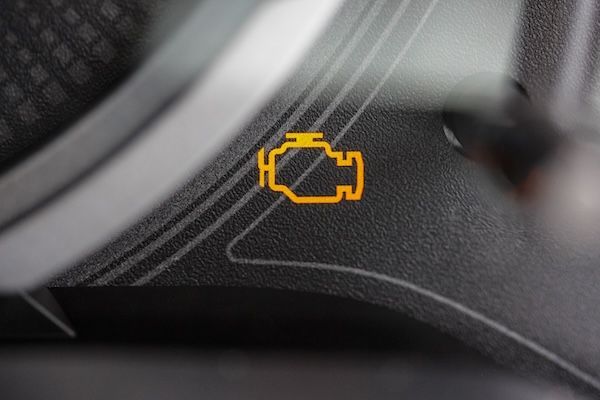
Check simple basics safely, like oil level and warning lights, but avoid revving a knocking or squealing engine repeatedly, and if the noise is loud or getting worse, schedule a check soon rather than waiting for it to fail.
Get Engine Noise Diagnosis in Manchester, MD with North County Service Center
We listen carefully to the sounds you describe and combine that information with testing and inspection to find the real source of your engine noise. We explain how serious it is, what caused it, and the smartest repair plan so you can fix the problem before it becomes major damage.
Call
North County Service Center in Manchester, MD, to schedule an engine noise check so you can drive without worrying about every new sound.